



Crocodile 3D model animation glb
It is an ancient and powerful reptile belonging to the crocodile order, distributed in tropical and subtropical regions around the world. It is one of the oldest surviving reptiles with strong adaptability, able to survive in both freshwater and saltwater environments. The body structure is adapted to hunting and diving, with strong jaws and sharp teeth that can easily capture and tear prey. The skin is thick and covered with bony scales, providing excellent protection. The eyes, ears, and nostrils are located at the top of the head, allowing them to observe and breathe underwater. He is an opportunist with a wide range of diets, including fish, birds, mammals, and other reptiles.
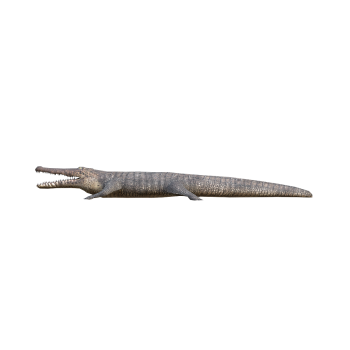
Crocodile (with 3D animated model)
It is an ancient and powerful reptile belonging to the crocodile order. Known for its powerful jaw force and unique lifestyle habits. Usually living in tropical and subtropical waters such as rivers, swamps, and lakes. It is a top predator that feeds on fish, birds, mammals, and even other reptiles. The body structure is adapted to aquatic life, with a streamlined body and strong limbs that can move quickly in water. The skin is covered with hard scales that not only provide protection but also help regulate body temperature. The eyes, ears, and nostrils are located at the top of the head, allowing them to breathe underwater and observe their surroundings.

Turtle shell
Sea turtles are a collective term for marine turtles in the order Turtles, family Turtles, and family Turtles. Body length 0.75-2 meters, weight 45-1000 kilograms. Distributed in the South Pacific and Indian Ocean. In China, it is distributed from Shandong coast in the north to Guangdong coastal provinces, Taiwan, Hainan and other provinces in the south, especially the South China Sea Islands. Most of them live in shallow coastal waters, bays, coral reefs, and estuaries that flow into the sea. Feed on macroalgae, cephalopods, crustaceans, and fish and shrimp. They are one of the oldest animals in the world, appearing on Earth more than 200 million years ago, so archaeologists consider them as "living fossils".

Popular Models
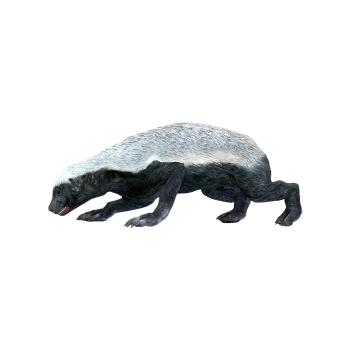
Honey Badger (3D animated model)
192 View
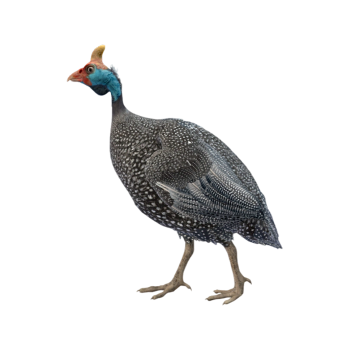
Guinea fowl (3D animated model)
163 View
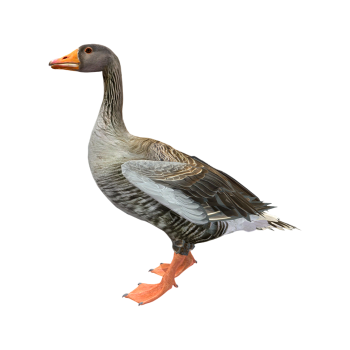
Wild Goose (3D animated model)
185 View
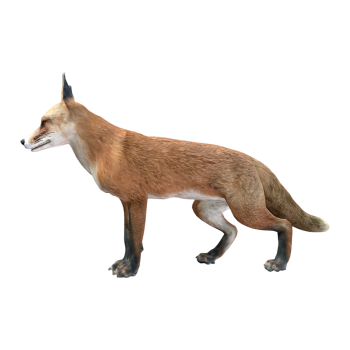
Red Fox (3D animated model)
153 View
Random Model


Yellow throated mink skull
1320 View

Z-type cable car
556 View

Barber Chair
543 View

A piece of daisy
528 View

Largemouth Bass 3D Model Animation
726 View